
ALBUS - Academy of Latin American Business and Sustainability Studies
Universidad Libre Colombia Host Institution

ALBUS 2026 International Conference

Transforming Latin American Business and Society from the Global South

Innovation, Sustainability, and Identity in the Age of AI

November 3-5, 2026 Universidad Libre Bogotá, Colombia

Bienvenidos / Welcome / Bem-vindos!

ALBUS 2026 brings together scholars, students, practitioners, institutional leaders, and public-sector participants for three days of international academic exchange in Bogotá.

Dr. Luis J. Camacho
Conference Chair

Dr. Luis J. Camacho

SUNY Empire State University, USA

Welcome from the Conference Chair

Welcome to the ALBUS 2026 International Conference, hosted by Universidad Libre in Bogotá, Colombia, November 3–5, 2026.

This year’s conference brings us together under the theme “Transforming Latin American Business and Society from the Global South: Innovation, Sustainability, and Identity in the Age of AI.” It reflects a moment of profound transformation for our region and for the world. Artificial intelligence is reshaping how organizations compete, how universities create and transmit knowledge, how governments design policy, and how individuals make decisions. At the same time, Latin America continues to confront enduring challenges related to inequality, institutional capacity, sustainable development, productivity, education, and social inclusion.

ALBUS 2026 invites us to consider these transformations from a perspective that begins with the realities, capabilities, and aspirations of the Global South. Latin America should not be viewed simply as a context in which theories developed elsewhere are applied. Our countries, institutions, organizations, and communities are also sources of knowledge, innovation, theory, and practices capable of contributing to international scholarship and shaping global conversations.

Throughout the conference, scholars, doctoral students, professionals, institutional leaders, and policymakers will engage across disciplines and countries. Our discussions will address innovation and entrepreneurship, sustainability and responsible management, consumer and organizational identity, artificial intelligence, digital transformation, governance, education, human capital, finance, health, engineering, and other areas that influence the future of business and society. The diversity of these perspectives is central to the ALBUS mission because the challenges facing our region cannot be understood or addressed from a single discipline.

I encourage every participant to approach these days not only as an opportunity to present research, but also as an opportunity to listen, question, collaborate, and build lasting academic relationships. Conferences are most valuable when ideas extend beyond the presentation room—when conversations become research projects, institutional partnerships, publications, professional networks, and new ways of thinking about the problems we seek to understand.

My sincere appreciation goes to Universidad Libre for welcoming the ALBUS community to Bogotá and for its commitment to making this international gathering possible. I also thank our conference leadership, local host committee, scientific committee, regional and track chairs, reviewers, speakers, panelists, sponsors, partner institutions, and every participant whose work contributes to this conference.

ALBUS continues to grow because of a shared belief that rigorous scholarship can be internationally relevant while remaining deeply connected to the societies from which it emerges. I hope ALBUS 2026 strengthens that commitment and creates new opportunities for research, collaboration, and meaningful impact.

Welcome to Bogotá. Welcome to Universidad Libre. Welcome to ALBUS 2026.

Dr. Luis J. Camacho
SUNY Empire State University, USA
Conference Chair
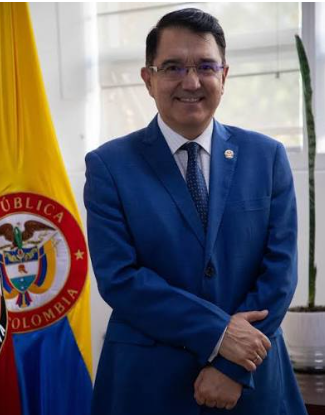
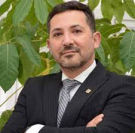
Dr. Fernando Arturo Salinas Suárez
Rector Seccional Bogotá, Universidad Libre

Dr. Fernando Arturo Salinas Suárez

Universidad Libre, Bogotá, Colombia

Welcome from the Rector of Universidad Libre

Welcome to ALBUS 2026

It is a great honor, on behalf of Universidad Libre, Seccional Bogotá, to welcome the entire ALBUS community to Bogotá, Colombia, from November 3 to 5, 2026.

We are especially pleased to welcome the ALBUS leadership, Chairs, scientific and organizing committees, scholars, researchers, professors, students, professionals, and institutional representatives joining us from Colombia, Latin America, and around the world.

This year’s theme, “Transforming Latin American Business and Society from the Global South: Innovation, Sustainability, and Identity in the Age of AI,” invites us to reflect on the profound transformations shaping our societies. Artificial intelligence, digital transformation, sustainability, education, governance, and social inclusion are creating new challenges and opportunities for Latin America and for the world.

At Universidad Libre, we strongly believe that knowledge must cross borders. Founded in 1923, our University has built more than a century of history around freedom, democracy, pluralism, academic excellence, and social responsibility. Today, these principles are strengthened through our commitment to internationalization, academic mobility, research cooperation, international partnerships, COIL experiences, and collaboration with universities and institutions around the world.

For us, hosting ALBUS 2026 is therefore much more than hosting an academic conference. It is an opportunity to connect people, ideas, institutions, and cultures, and to reaffirm our commitment to an international university that contributes from Colombia and Latin America to global academic conversations.

I invite all participants to make the most of these days—not only to present research, but to listen, exchange ideas, build relationships, and create new opportunities for collaboration. The greatest value of an international conference often begins when a conversation becomes a research project, a partnership, a publication, or a new academic opportunity.

Our sincere appreciation goes to the ALBUS leadership and Chairs, the committees, speakers, reviewers, partner institutions, and everyone who has made this gathering possible.

From Universidad Libre, we are proud to welcome you and to make our University your home during these days.

Dr. Patricio Ramírez-Correa
Academic Chair

Dr. Patricio Ramírez-Correa

Universidad Católica del Norte, Chile

Welcome from the Academic Chair

It is my pleasure to welcome you to ALBUS Bogotá 2026. I would like to thank Universidad Libre for hosting the conference, as well as the authors, reviewers, organizers, and participants whose contributions have made this gathering possible.

This year’s conference invites us to consider a timely and complex question: How do we want to transform business and society in Latin America in the age of artificial intelligence?

Today, we have tools that can accelerate analysis, expand access to knowledge, and create new opportunities for innovation. Yet the speed of technological change cannot replace academic judgment. As researchers, we must ask not only what technology can do, but also who benefits from it and which problems it helps solve. We must also examine the new problems it may create, who may be harmed, and which values we need to preserve as we use it.

From the Global South, we should not limit ourselves to studying trends developed elsewhere. We have an opportunity to produce knowledge grounded in our own realities, with their challenges and possibilities. Sustainability and identity are not secondary to innovation; they are essential considerations in our work as researchers and global citizens.

The contributions presented at this conference and included in these proceedings reflect the value of rigorous inquiry and open academic exchange. I invite all of us to engage with them critically and generously: to examine their findings, question their assumptions fairly, and consider the new questions and collaborations they may inspire.

My sincere thanks go to every author for sharing their work with this community. May this conference, and the research it brings together, help us work towards a Latin America that is more sustainable, more inclusive, and better able to shape its own future.

Dr. Cristian Salazar-Concha
Conference Co-Chair

Dr. Cristian Salazar-Concha

Universidad Austral de Chile, Chile

Welcome from the Conference Co-Chair

Estimadas y estimados colegas:

Es un gusto invitarles a participar en ALBUS Conference 2026, organizada por la Academy of Latin American Business and Sustainability Studies, que este año tendrá como sede la Universidad Libre, en la ciudad de Bogotá, Colombia.

ALBUS es mucho más que una conferencia académica. Es una comunidad que nos permite construir vínculos, compartir nuestras investigaciones, conversar sobre nuestras experiencias y, muchas veces, generar nuevas colaboraciones y redes.

En esta nueva edición queremos seguir generando espacios de encuentro y reflexión sobre los desafíos que enfrenta nuestra región. Contaremos con la participación de investigadores, estudiantes y profesionales de distintos países, lo que permitirá reunir diferentes miradas sobre la educación superior, los desafíos asociados a la inteligencia artificial generativa y las experiencias en torno a los negocios, la gestión y la sostenibilidad.

Como parte de la comunidad ALBUS, les animo a participar activamente en esta conferencia. Espero que este encuentro sea también una excelente oportunidad para generar nuevas amistades, reencontrarnos con colegas y conocer a nuevos investigadores, que puedan dar paso a futuras colaboraciones y proyectos conjuntos, desde los cuales la academia pueda seguir contribuyendo al desarrollo y la innovación de nuestros países.

Espero que podamos encontrarnos en Bogotá y disfrutar juntos de una nueva edición de ALBUS.

Dr. Jorge Martín Díez
Conference Co-Chair

Dr. Jorge Martín Díez

IESDE School of Management, Mexico

Welcome from the Conference Co-Chair

Es un gusto poder darles la bienvenida a ALBUS 2026, que se celebra en esta ocasión en la bella ciudad de Bogotá, Colombia, así como agradecer a la Universidad Libre en su sede principal en el campus Bogotá por ser la anfitriona de nuestro cuarto congreso.

También quiero agradecer a los investigadores, alumnos, participantes en general, revisores, organizadores y sponsors, sin quienes no se podría realizar nuestro congreso; nuestro congreso es de todos los involucrados, es esta reunión para generar y divulgar conocimiento.

La idea de un Sur global lleva implícito que no podemos olvidar que hoy América Latina se desarrolla en un mundo globalizado económica y culturalmente y que los reacomodos geopolíticos que se están dando en este siglo XXI también imbrican a todos los países que participarán a través de sus investigadores en nuestro congreso.

Nuestro congreso busca propiciar el buen manejo de las nuevas tecnologías, en particular la IA, para su aplicación a las disciplinas económico-administrativas, así como contribuir con estas nuevas tecnologías al apoyo del desarrollo de nuestra América Latina.

La posibilidad de poder compartir investigaciones sobre la temática del congreso, conociendo estudios bien fundamentados, con método y rigor científico, permitirá desarrollar una visión crítica sobre los temas tratados en todos los asistentes, así como aportar al acervo del análisis de la problemática que viven las sociedades de los investigadores que presentarán sus trabajos y que muchas veces compartimos estas problemáticas en nuestros países.

Agradezco sinceramente su participación, seguro de que, con todas las aportaciones vertidas en este crisol de conocimientos y experiencias, todos saldremos ganando.

Dr. Claudia Lovegrove
Communications Chair

Dr. Claudia Lovegrove

SUNY Empire State University, USA

Welcome from the Communications Chair

Colegas: bienvenidas y bienvenidos a ALBUS 2026. Es un gusto reunirnos en la Universidad Libre, en Bogotá, para abordar una pregunta que atraviesa esta edición: ¿cómo podemos transformar los negocios y la sociedad latinoamericana desde nuestra propia perspectiva? La innovación, la sostenibilidad y la identidad adquieren especial relevancia en una época marcada por la inteligencia artificial.

En los próximos días conoceremos investigaciones, contrastaremos experiencias y debatiremos sus implicaciones para América Latina. Les invito a participar con curiosidad, espíritu crítico, y a llevar estas conversaciones más allá de la conferencia.

Gracias por acompañarnos en esta edición. Estoy segura de que saldremos de Bogotá con nuevas preguntas, vínculos más sólidos y la determinación de poner en práctica lo aprendido.

Vision, Mission, and History

Our Vision

At ALBUS, we aim to become a global research institution that fosters sustainable development and responsible business practices in Latin America, driving transformative change across the private and public sectors through interdisciplinary collaboration and a commitment to excellence. We seek to advance sustainable innovation, responsible entrepreneurship, and ethical leadership while contributing knowledge and practices that strengthen organizations, institutions, and societies throughout Latin America and the Global South.

Our Mission

ALBUS’s mission is to conduct cutting-edge research that advances knowledge on Latin American management practices, sustainable business models, and the effects of climate change and environmental degradation across the region. We seek to generate rigorous insights and practical solutions that inform policymaking, inspire industry innovation, and support evidence-based decision-making in pursuit of sustainable development.

Our History

ALBUS is a nonprofit academic institution based in New Jersey, USA, founded by a group of Latin American scholars representing different countries, disciplines, and academic traditions. It was created in response to a shared recognition that Latin American research, ideas, and perspectives require stronger platforms for international visibility, collaboration, and impact.

From its inception, ALBUS has sought to strengthen the production, dissemination, and exchange of knowledge related to business, management, sustainability, education, public policy, innovation, entrepreneurship, and other fields that shape the development of Latin America and the broader Global South. Its purpose has never been limited to organizing academic activities; rather, ALBUS was conceived as a space for building lasting scholarly relationships across institutions, countries, and disciplines.

A central objective of ALBUS has been to expand the international reach of Latin American scholarship while creating opportunities for researchers from the region to engage more directly with colleagues from North America, Europe, Africa, Asia, and the Caribbean. Through conferences, publications, academic networks, research collaborations, professional development initiatives, and institutional partnerships, ALBUS promotes a model of knowledge exchange that is both regionally grounded and internationally connected.

The institution also seeks to reduce the distance that often exists between academic research and organizational or societal practice. ALBUS therefore encourages research that not only contributes to theory, but also informs decision-making in businesses, universities, governments, and communities. Its activities emphasize the value of interdisciplinary collaboration, ethical leadership, responsible innovation, sustainability, and research that responds to the social, economic, technological, and environmental challenges facing the region.

Over time, ALBUS has grown into an international academic community connecting established scholars, emerging researchers, doctoral students, institutional leaders, professionals, and policymakers. Its conferences and publications have created opportunities for participants from multiple countries to share research, develop collaborative projects, establish professional networks, and contribute to a broader conversation about the future of business and society in Latin America.

Today, ALBUS continues to evolve as a research institution committed to increasing the visibility and influence of Latin American scholarship, strengthening academic networks across regions, and supporting the development of knowledge capable of generating meaningful impact. Its history reflects a continuing commitment to positioning Latin America and the Global South not simply as subjects of international research, but as important sources of theory, innovation, and ideas with global relevance.

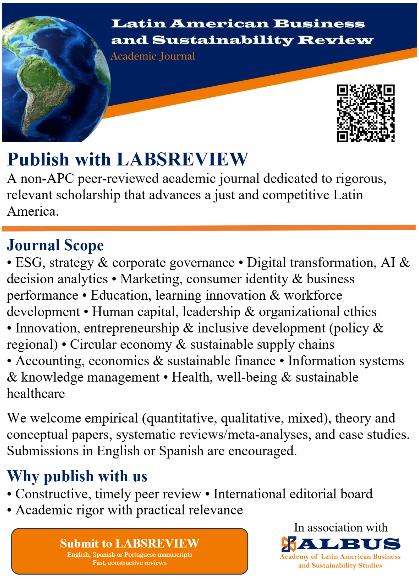
Publish with LABSREVIEW

A highly visible ALBUS publication opportunity: the Latin American Business and Sustainability Review is a non-APC peer-reviewed academic journal associated with ALBUS.

Publish with LABSREVIEW promotional information and QR code

Transforming Latin American Business and Society from the Global South

Innovation, Sustainability, and Identity in the Age of AI

ALBUS 2026 brings together scholars, professionals, policymakers, institutional leaders, and emerging researchers to examine how Latin America and the broader Global South are navigating a period of profound technological, economic, and social transformation.

Artificial intelligence and digital technologies are reshaping organizations, markets, universities, governments, and communities. At the same time, the region faces the challenge of advancing innovation and competitiveness while promoting sustainable development, strengthening institutions, and preserving the cultural, organizational, and societal identities that distinguish Latin America and other Global South contexts.

The conference invites interdisciplinary perspectives that move beyond technology adoption alone. It encourages critical discussion of how innovation should be developed, how sustainability can be embedded in decision making, how identity influences transformation, and how artificial intelligence can be governed and applied responsibly.

Together, these four interconnected dimensions define the intellectual foundation of ALBUS 2026.

01

Innovation

Innovation represents the capacity of organizations and societies to create, adapt, and transform.

ALBUS 2026 explores new technologies, entrepreneurship, digital transformation, knowledge systems, organizational capabilities, and emerging business models. Particular attention is given to innovations that respond to the realities and opportunities of Latin America and the Global South rather than simply reproducing models developed in other contexts.

The conference encourages research examining how organizations, entrepreneurs, universities, governments, and communities can build capabilities that generate meaningful and inclusive innovation.

02

Sustainability

Sustainable transformation requires economic progress to be considered alongside its social, environmental, institutional, and governance consequences.

ALBUS 2026 approaches sustainability as a multidimensional challenge involving businesses, public institutions, universities, communities, and civil society. Discussions encompass sustainable business practices, responsible management, ESG, environmental stewardship, social development, governance, institutional capacity, and the policies required to support long-term development.

The objective is to advance perspectives on sustainability that recognize the distinctive economic, institutional, and social conditions of Latin America and the Global South.

03

Identity

Transformation does not occur independently of culture, history, institutions, or society.

Identity influences how consumers interpret brands, how employees experience organizations, how communities respond to development, and how societies engage with technological and economic change.

ALBUS 2026 therefore places consumer, cultural, organizational, and societal identity at the center of discussions about business and social transformation. This perspective encourages research that recognizes Latin America and the Global South not simply as settings in which theories are tested, but as contexts capable of generating knowledge, theories, and practices with broader international relevance.

04

Artificial Intelligence

Artificial intelligence is rapidly becoming part of the infrastructure through which organizations and societies make decisions, create knowledge, communicate, innovate, and compete.

ALBUS 2026 examines the use of AI across decision making, education, governance, marketing, business strategy, entrepreneurship, research, and organizational management. At the same time, the conference emphasizes responsible innovation, transparency, ethics, accountability, inclusion, and the institutional frameworks necessary for the appropriate governance of emerging technologies.

The central question is therefore not simply whether AI will transform Latin America and the Global South, but how that transformation can contribute to innovation, sustainability, human development, and societies that maintain their distinctive identities.

A Global South Perspective

ALBUS 2026 positions Latin America and the Global South as active contributors to the global conversation about the future of business and society.

The conference seeks to generate knowledge that reflects the experiences, institutions, challenges, and opportunities of these regions while encouraging dialogue with scholars and practitioners from around the world.

Innovation. Sustainability. Identity. Artificial Intelligence.

Four dimensions connected by one central purpose: transforming business and society while shaping a future that reflects the realities, capabilities, and aspirations of the Global South.

11 Conference Tracks

Keynote Speakers

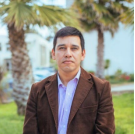
Prof. José Zacarías Mayorga Sánchez
Opening Plenary · Tuesday, Nov. 3 · 6:30 PM

Prof. José Zacarías Mayorga Sánchez

Universidad Libre · Colombia

Venue: Auditorio del Bloque B

Welcome & Keynote Introduction: Dr. Luis J. Camacho, SUNY Empire State University, USA, Conference Chair

Financing Sustainable Competitiveness in Latin America: SMEs, Productivity, and Risk Management in the Age of AI

Professor-researcher and Director of the Research Center of the Faculty of Economic, Administrative and Accounting Sciences of Universidad Libre Bogotá. Researcher-Leader of the research group in economic, administrative and accounting sciences. Economist with specializations in International Business Administration, International Economics and Economic Development, Finance, University Teaching, and Management Control and Tax Auditing. He holds a Master’s Degree in Socioeconomic Planning and a Doctorate in Administration. His topics of interest and experience include business, economy, finance, management, planning and development, SMEs, productivity, international business, cost of capital, and risk. He is an academic peer of Minciencias and the Ministry of National Education.

Dr. Dongho Kim
Plenary · Wednesday, Nov. 4 · 9:00 AM

Dr. Dongho Kim

Empire State University · USA

Venue: Auditorio del Bloque B

Welcome & Keynote Introduction: Dr. Kamil Alberto Navarro Lisowski — Director Nacional de la Oficina de Relaciones Interinstitucionales, Universidad Libre

Resilient and Sustainable Supply Chains in the Age of AI: Rethinking Latin America’s Role in Global Trade

Dr. Dongho Kim is a distinguished scholar and educator currently serving as Professor and Chair in the Business, International Business, and Marketing Department at Empire State University. His career spans more than two decades of leadership and pedagogical experience across American and South Korean academia. His research explores international business, distribution logistics, and cultural studies, including work on COVID-19 vaccine distribution strategies and the ethical implications of artificial intelligence in academic publishing. His leadership has extended to the Korea Distribution Science Association (KODISA), where he has served as Vice President and chaired advisory and journal-indexing committees. He has also held senior editorial roles and received multiple conference paper awards. His recent work examines how global commerce and supply chains can navigate the Age of AI and how AI-driven transformations affect innovation, sustainability, and identity in international business.
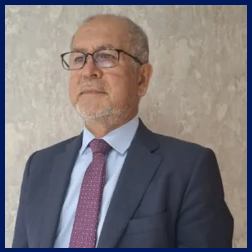
Dr. Jonathan Hermosilla-Cortés
Plenary · Thursday, Nov. 5 · 9:00 AM

Dr. Jonathan Hermosilla-Cortés

Universidad Central de Chile · Chile

Venue: Auditorio del Bloque B

Welcome & Keynote Introduction: Dra. Beatriz Hecmira Herrera Meza — Decana de la Facultad de Ciencias Económicas, Administrativas y Contables (FACEAC), Universidad Libre

ESG, Finanzas Sostenibles e IA: repensar el valor corporativo y el riesgo en América Latina desde el Sur Global

El Dr. Hermosilla-Cortés es ampliamente reconocido por su trabajo académico en las áreas de finanzas, contabilidad, sostenibilidad, responsabilidad social, economía social y solidaria, y cooperativismo. A lo largo de más de tres décadas de liderazgo académico en Chile y en otros países de América Latina, su trabajo se ha centrado en temas financieros, contables y de sostenibilidad, con investigaciones que han contribuido a la formación de futuras generaciones de profesionales. Sus publicaciones abarcan finanzas conductuales, análisis financiero, normas internacionales de contabilidad (IFRS), indicadores de sostenibilidad en empresas que cotizan en bolsa en Chile y en el MILA, cooperativismo y sostenibilidad. Actualmente incorpora en sus reflexiones la Cuarta Revolución Industrial y el uso de la IA, junto con los desafíos de la gestión pública y la aplicación de metodologías activas de enseñanza-aprendizaje, como Aprendizaje y Servicio (A+S), en la formación de futuros profesionales de las ciencias económicas y empresariales.

ALBUS 2026 Program

94Approved Presentations
9Numbered Sessions
6Concurrent Time Blocks
3Active Concurrent Rooms C120-C122
3Panels
1Doctoral Workshop
Schedule information

All times are Bogotá local time (COT, UTC−5). Last updated: November 3, 2026.

Universidad Libre · Conference Venues

Virtual participation: Online Rooms A, B, and C are virtual conference rooms for remote participants; they are not physical campus locations.

Conference Panels

The program includes three panel sessions: two 45-minute thematic panels at 10:30-11:15 within the concurrent blocks, plus the 60-minute Special Academic Leadership Session on Wednesday at 5:30-6:30 PM in the Auditorio del Bloque B.

Track Directory

Tap a track to search the program for matching activities.

Authors and Program Participants

This index includes authors of scheduled presentations and confirmed participants in the ALBUS 2026 academic program, including keynote speakers, panelists, moderators, and facilitators.

My Schedule

Saved activities remain on this device.

☆
No saved activities yet

Open the program and tap the bookmark icon on any activity.

ALBUS 2026 Conference Organizing Committees

Conference leadership, ALBUS leadership and senior advisors, Universidad Libre local host team, scientific committee, awards committee, proceedings editors, ALBUS regional chairs, and track structure.

Academy of Latin American Business and Sustainability Studies (ALBUS)

Universidad Libre

Bogotá, Colombia

Conference Leadership5 roles
Conference ChairDr. Luis J. CamachoSUNY Empire State University, USA
Academic ChairDr. Patricio Ramírez-CorreaUniversidad Católica del Norte, Chile
Conference Co-ChairDr. Cristian Salazar-ConchaUniversidad Austral de Chile, Chile
Conference Co-ChairDr. Jorge Martín DíezIESDE School of Management, Mexico
Communications ChairDr. Claudia LovegroveEmpire State University, USA
ALBUS Leadership and Senior Advisors5 appointments
Emb. Julio César George
ALBUS LeadershipEmb. Julio César GeorgeVice President, Academy of Latin American Business and Sustainability Studies (ALBUS)
Dra. Elizabeth Cortés Pérez
ALBUS LeadershipDra. Elizabeth Cortés PérezALBUS International Webinar Program Chair
Universidad de Puerto Rico en Arecibo, Puerto Rico
Dr. Moisés Banks
ALBUS LeadershipDr. Moisés BanksDirector of Training Programs, ALBUS
Dominican Republic
Dr. Divina M. Edralin
Senior AdvisorDr. Divina M. EdralinVice President for Research and Innovation
San Beda University · Manila, Philippines
Research and International Collaboration
Dr. Ramon Ricardo A. Roque
Senior Advisor — AsiaDr. Ramon Ricardo A. RoqueDean, Graduate School of Business
San Beda University · Manila, Philippines
Academic Partnerships and Program Development – Asia
Local Host CommitteeUniversidad Libre
Rector Seccional BogotáDr. Fernando Arturo Salinas SuárezUniversidad Libre, Colombia
MemberIng. Siby Inés Garcés PoloUniversidad Libre, Colombia
MemberDr. Jaime Augusto Porras JiménezALBUS Regional Chair, Colombia
MemberIng. Leila Nayibe Ramírez CastañedaUniversidad Libre, Colombia
MemberDr. Kamil Alberto Navarro LisowskiUniversidad Libre, Colombia
MemberDra. Beatriz Hecmira Herrera MezaUniversidad Libre, Colombia
Scientific Committee12 members
Scientific CommitteeProf. Alexander Sánchez PérezUniversidad Libre, Colombia
Scientific CommitteeDr. Claudia LovegroveEmpire State University, USA
Scientific CommitteeProf. Jaime Eduardo Alvarado MeloUniversidad Libre, Colombia
Scientific CommitteeDr. Jonathan Hermosilla-CortésUniversidad Central de Chile, Chile
Scientific CommitteeProf. José Zacarías Mayorga SánchezUniversidad Libre, Colombia
Scientific CommitteeDr. Luis BaqueroPontificia Universidad Católica de Puerto Rico (PUCPR), Puerto Rico
Scientific CommitteeDr. Michael PascoSan Beda University, The Philippines
Scientific CommitteeDr. Natasha De KlerkNorth-West University, South Africa
Scientific CommitteeProf. Pamela DoranEmpire State University, USA
Scientific CommitteeDr. Priscilla BahawThe University of the West Indies, Trinidad and Tobago
Scientific CommitteeProf. Ricardo Andrés Santa QuinteroUniversidad Libre, Colombia
Scientific CommitteeProf. Siby I. Garcés PoloUniversidad Libre, Colombia
Program Awards Committee4 members
Program Awards CommitteeDr. Jaime Augusto Porras JiménezALBUS Regional Chair, Colombia
Program Awards CommitteeDr. Jorge Martín DíezIESDE School of Management, Mexico
Program Awards CommitteeDr. Luis BaqueroPontificia Universidad Católica de Puerto Rico, Puerto Rico
Program Awards CommitteeDr. Elizabeth Cortés PérezUniversidad de Puerto Rico en Arecibo, Puerto Rico
Proceedings Editors4 editors
Proceedings EditorDr. Luis J. CamachoSUNY Empire State University, USA
Proceedings EditorDr. Patricio Ramírez-CorreaUniversidad Católica del Norte, Chile
Proceedings EditorDr. Elizabeth Cortés PérezUniversidad de Puerto Rico en Arecibo, Puerto Rico
Proceedings EditorDr. Jorge Martín DíezIESDE School of Management, Mexico
ALBUS Regional Chairs9 chairs
Dr. Jorge Martín Díez
MexicoDr. Jorge Martín DíezIESDE School of Management, Mexico
Dr. Pedro Arieta Vega
Central AmericaDr. Pedro Arieta VegaUniversidad de Oriente, El Salvador
Dr. Jaime Porras-Jiménez
Northern South America ChairDr. Jaime Porras-JiménezUniversidad Libre, Colombia
Dr. Rosa Patricia Larios-Francia
Southern Cone of South America ChairDr. Rosa Patricia Larios-FranciaUniversidad del Pacífico, Peru
Dr. Priscilla Bahaw
English-speaking Caribbean ChairDr. Priscilla BahawThe University of the West Indies, Trinidad & Tobago
Dr. Luis Baquero-Rosas
Spanish-speaking Caribbean ChairDr. Luis Baquero-RosasPontifical Catholic University of Puerto Rico, Puerto Rico
Dr. Georgina Arguello
United States of America ChairDr. Georgina ArguelloNova Southeastern University, United States of America
Dr. Natasha De Klerk
South Africa ChairDr. Natasha De KlerkNorth-West University, South Africa
Dr. Michael Pasco
Asia ChairDr. Michael PascoSan Beda University, The Philippines
Track Chairs11 tracks

Bogotá, Colombia

A Latin American capital for scholarship, business, and international exchange.

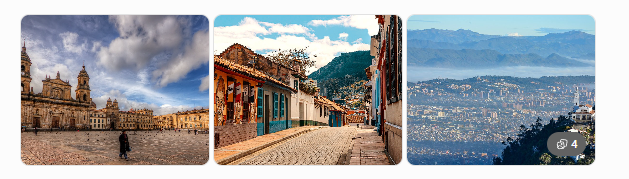
Bogotá: Plaza de Bolívar, La Candelaria, and city view from the mountains

Bogotá provides the setting for ALBUS 2026, bringing the conference to one of Latin America’s largest academic, economic, cultural, and institutional centers. Located high in the Colombian Andes at approximately 2,640 meters above sea level, Bogotá combines the scale and energy of a major international capital with a strong university community, an expanding innovation ecosystem, and a rich cultural heritage. The city has nearly eight million residents and serves as Colombia’s principal international gateway. Visit Bogotá

Its location is particularly appropriate for a conference centered on the Global South. Bogotá is a meeting point for universities, businesses, governments, international organizations, entrepreneurs, researchers, and cultural institutions. Its connections across Latin America and with North America, Europe, and other regions make it an important center for international academic and professional exchange. El Dorado International Airport connects Bogotá directly with more than 25 countries and more than 70 domestic and international destinations. Visit Bogotá

ALBUS 2026 will be held November 3–5, 2026, at the Campus El Bosque Popular of Universidad Libre, Bogotá. The official university address for the campus is Carrera 70 No. 53-40, Bogotá, Colombia. Unilibre - Nacional

Bogotá · Colombia
3–5 November 2026

Optional Post-Conference City Tour

Friday, November 6, 2026 · 10:00 AM

ALBUS 2026 participants are invited to join an optional guided city tour of Bogotá following the conference. Participation details, the meeting point, and logistical instructions will be sent directly to participants by email.

Discover Bogotá — Bogotá, tu casa ↗

✈ Arrival

Arriving in Bogotá

International and most domestic participants will arrive through El Dorado International Airport (BOG), Bogotá’s principal airport and Colombia’s major international aviation hub.

The airport is well connected to the city by authorized taxis, public transportation, hotel transportation services, and other ground-transportation options. Participants should plan their transfer in advance and allow additional travel time when moving through Bogotá, particularly during periods of heavy urban traffic. El Dorado Airport
From El Dorado Airport

For participants arriving for the first time in Bogotá, an authorized airport taxi or prearranged hotel transportation will generally provide the simplest arrival experience.

El Dorado identifies Taxi Imperial as its authorized taxi operator. Official taxi pickup is organized on the first floor of the terminal, with designated airport staff assisting passengers. The airport currently identifies the official pickup area in Lane 1, between entrance doors 8 and 10. Participants should use the designated taxi service rather than accepting unsolicited transportation offers inside or outside the terminal. El Dorado Airport

Some hotels also provide airport transportation, and participants who plan to use this service should confirm availability, schedules, and pickup arrangements directly with their hotel before traveling. El Dorado Airport

Public transportation from the airport

Participants comfortable using public transportation can access Bogotá’s integrated transit network from El Dorado. The airport is connected with Portal El Dorado, from which travelers can continue through the TransMilenio and SITP systems.

Public transportation uses the rechargeable Tullave card. El Dorado currently provides a Tullave sales point on the first floor of Terminal 1, near Door 1. Airport connections to Portal El Dorado include TransMilenio and feeder services. Routes and schedules should be reconfirmed shortly before the conference because transportation services can change. El Dorado Airport

Conference destination

Participants traveling directly to the conference venue should provide the following destination to their driver or transportation service:

Universidad Libre
Campus El Bosque Popular
Carrera 70 No. 53-40
Bogotá, Colombia Unilibre - Nacional

Conference-specific transportation updates: Any shuttle arrangements or recommended hotel-to-campus transportation guidance confirmed by ALBUS will be announced to registered participants and posted in the interactive program.

⌖ Getting Around

Moving through Bogotá

Bogotá is a large metropolitan area, and participants should consider travel time when planning conference attendance, dinners, meetings, and cultural activities.

The city has an integrated public transportation network centered on TransMilenio, together with zonal buses and other services. Bogotá also has an extensive cycling infrastructure of more than 600 kilometers and its internationally known Sunday Ciclovía, when major road corridors are opened for recreational use by cyclists, runners, and pedestrians. Visit Bogotá

For ALBUS participants, the most practical transportation options will generally include:

  • Authorized taxis, particularly for airport transfers.
  • App-based transportation services, especially for direct hotel-to-campus or evening travel.
  • TransMilenio and SITP, for participants familiar with urban public transportation.
  • Conference or hotel transportation, if arrangements are announced for particular activities.

Because Bogotá is geographically extensive, participants should check the expected travel time before leaving rather than estimating distance alone. Traffic conditions can substantially affect journey times.

Transportation to Universidad Libre

The conference will take place at Campus El Bosque Popular, not at Universidad Libre’s La Candelaria campus. Participants should therefore verify that drivers and transportation applications identify Carrera 70 No. 53-40 as the destination. Universidad Libre officially lists both campuses in Bogotá, so specifying Campus El Bosque Popular will help avoid confusion. Unilibre - Nacional

The conference venue is Campus El Bosque Popular; participants should use this campus name and address in transportation and navigation applications.

☁ Visitor Information

Weather in November

Bogotá has a cool, temperate mountain climate throughout the year because of its elevation. Typical temperatures are approximately 9°C to 20°C (48°F to 68°F). October and November are also among the periods when rainfall is more frequent. Visit Bogotá

Conference participants should therefore prepare for changing conditions during the same day.

A practical conference wardrobe would include business or business-casual clothing that can be layered, together with a light jacket or sweater. A compact umbrella or rain-resistant outer layer and comfortable walking shoes are also advisable.

Bogotá does not generally have the tropical heat that some international visitors may associate with Colombia. Mornings and evenings can feel distinctly cool.

Altitude

At approximately 2,640 meters above sea level, Bogotá is considerably higher than many cities from which international participants will travel. Visit Bogotá

Visitors who are not accustomed to high elevations may wish to keep their first day relatively moderate, remain well hydrated, and allow time to adjust before undertaking strenuous physical activity. This is particularly relevant for participants planning outdoor excursions immediately after arrival.

Currency

Colombia’s legal currency is the Colombian peso (COP), issued by Banco de la República. Banco de la República

Participants may find it convenient to carry a modest amount of local currency for small purchases while using cards where appropriate. Currency should be exchanged through recognized banks, authorized exchange services, or other established providers rather than informal street exchanges.

Current exchange rates fluctuate and should be checked close to the date of travel.

Language

The principal language in Bogotá is Spanish. English is used in many international hotels, universities, tourism services, and professional settings, but participants should not assume that English will be available in every taxi, shop, restaurant, or local service.

ALBUS participants arriving from outside the Spanish-speaking world may find a few basic Spanish expressions useful when moving around the city.

Time zone

Bogotá operates on UTC−5 throughout the year and does not observe seasonal daylight-saving changes. Visit Bogotá

International participants should take this into account when scheduling virtual meetings or communicating with colleagues in their home countries during the conference.

Entry requirements

Passport, visa, and immigration requirements depend on nationality and individual circumstances. International participants should verify current requirements with the appropriate Colombian immigration authorities, consular services, and their airline before departure.

Because entry requirements vary by nationality and may change, participants should consult the Colombian Ministry of Foreign Affairs for current visa information and review the official Check-Mig process through Migración Colombia before travel, as applicable.

Safety and Responsible Travel

Bogotá is a major international city, and the same situational awareness appropriate in other large metropolitan areas is recommended.

Bogotá’s official tourism authority advises visitors to use official taxis or transportation applications, avoid displaying valuable items unnecessarily in public, maintain secure copies of important documents, safeguard personal belongings, and avoid walking alone at night in isolated or unfamiliar areas. Visit Bogotá

Participants should also:

  • Keep passports and essential documents secured when they are not required.
  • Use ATMs in banks, shopping centers, airports, hotels, or other controlled environments.
  • Confirm vehicle and driver information when using app-based transportation.
  • Avoid accepting unsolicited transportation at the airport.
  • Consult hotel staff or conference organizers when uncertain about transportation or destinations.
  • Use recognized tourism providers for organized excursions.

The objective is not to limit exploration of the city but to make informed transportation and travel decisions.

For emergencies, Bogotá's official visitor information identifies 123 as the police emergency number. Visit Bogotá

◎ Explore Bogotá

Experience the city beyond the conference

ALBUS 2026 participants are encouraged to experience Bogotá not simply as the location of the conference, but as part of the intellectual and cultural context of their visit.

The city offers an exceptional combination of history, museums, architecture, universities, gastronomy, urban culture, parks, and Andean landscapes. Participants extending their stay before or after the conference can explore several areas that contribute to Bogotá’s distinctive identity.

La Candelaria

Bogotá’s historic district provides one of the clearest introductions to the city’s political, architectural, academic, and cultural history.

Colonial and republican architecture, museums, cultural institutions, universities, cafés, churches, public spaces, and government buildings are concentrated within a relatively compact area. La Candelaria has also been recognized as Bogotá's sustainable tourism area, reflecting efforts to connect heritage preservation with responsible urban tourism.

Participants with limited free time can combine several important destinations during a single visit to the historic center.

Plaza de Bolívar

At the center of historic Bogotá, Plaza de Bolívar provides a direct encounter with Colombian political and institutional history.

The square is surrounded by institutions representing national and local government, the judiciary, religious life, and civic society, making it especially relevant to conference participants interested in public policy, governance, institutions, and Latin American development. Visit Bogotá

Museo del Oro

The Gold Museum is one of Bogotá’s best-known cultural institutions and an important introduction to Colombia’s pre-Hispanic cultures, material heritage, and indigenous history.

For ALBUS participants, the museum also offers an opportunity to reflect on cultural identity, historical knowledge, and the relationship between economic value and cultural meaning—issues closely connected with the conference's broader emphasis on identity and the Global South.

Banco de la República Cultural Complex

Participants interested in research, art, history, and culture can explore the cultural institutions associated with Colombia’s central bank in the historic center, including museum and library spaces.

The area provides an excellent complement to an academic visit because it brings together visual arts, history, archives, cultural heritage, and knowledge institutions.

Monserrate

Rising above Bogotá, Monserrate is one of the city’s most recognizable landmarks and provides expansive views across the metropolitan area and the surrounding Andes.

It is both a religious and cultural destination and offers visitors a unique perspective on Bogotá’s geography. Those choosing to walk the mountain trail should remember the city's altitude and assess the physical demands accordingly. The official Monserrate pedestrian route extends approximately 2.35 kilometers and includes more than 1,600 steps.

Cable-car and funicular options may provide a more comfortable alternative for many conference participants.

Museo Botero and Colombian Art

Bogotá offers extensive opportunities to encounter Colombian and Latin American art. The work of Fernando Botero and collections from different periods provide visitors with another perspective on Colombian identity, social representation, and artistic expression.

Such visits are especially appropriate for an ALBUS conference that places identity alongside innovation, sustainability, and artificial intelligence as a central dimension of understanding societal transformation.

Jardín Botánico de Bogotá

Participants interested in biodiversity and sustainability may consider visiting Bogotá’s botanical garden, which highlights Colombian ecosystems and plant diversity.

The experience connects particularly well with ALBUS discussions concerning environmental sustainability, urban development, climate, and responsible management.

Parks and Urban Life

Bogotá's parks and public spaces offer another way of experiencing the city. Participants staying beyond Thursday may also encounter the city's Sunday Ciclovía, an urban tradition in which major streets become recreational spaces for cycling and walking. Visit Bogotá

Gastronomy

Bogotá's culinary landscape reflects Colombia's regional diversity as well as its increasingly international character. Participants can encounter traditional dishes, contemporary Colombian cuisine, coffee culture, bakeries, markets, and restaurants representing different regions of the country.

A conference visit therefore also provides an opportunity for informal scholarly and professional exchange around the table—an important dimension of the international ALBUS experience.

Bogotá and the ALBUS 2026 Experience

Hosting ALBUS 2026 in Bogotá extends the conference beyond its formal academic sessions.

The city itself provides a setting in which many of the conference's central questions are visible: rapid technological change, entrepreneurship, sustainability, urban development, cultural identity, higher education, governance, inequality, creativity, and the relationship between local realities and global transformation.

For international participants, Bogotá offers the opportunity to encounter Latin America not simply as a subject of research, but as a place where knowledge is produced, institutions are transformed, businesses innovate, communities negotiate change, and new perspectives from the Global South enter the international academic conversation.

Bogotá welcomes ALBUS 2026.

3–5 November 2026
Campus El Bosque Popular · Universidad Libre
Bogotá, Colombia

Universidad Libre

Official Host of the ALBUS 2026 International Conference

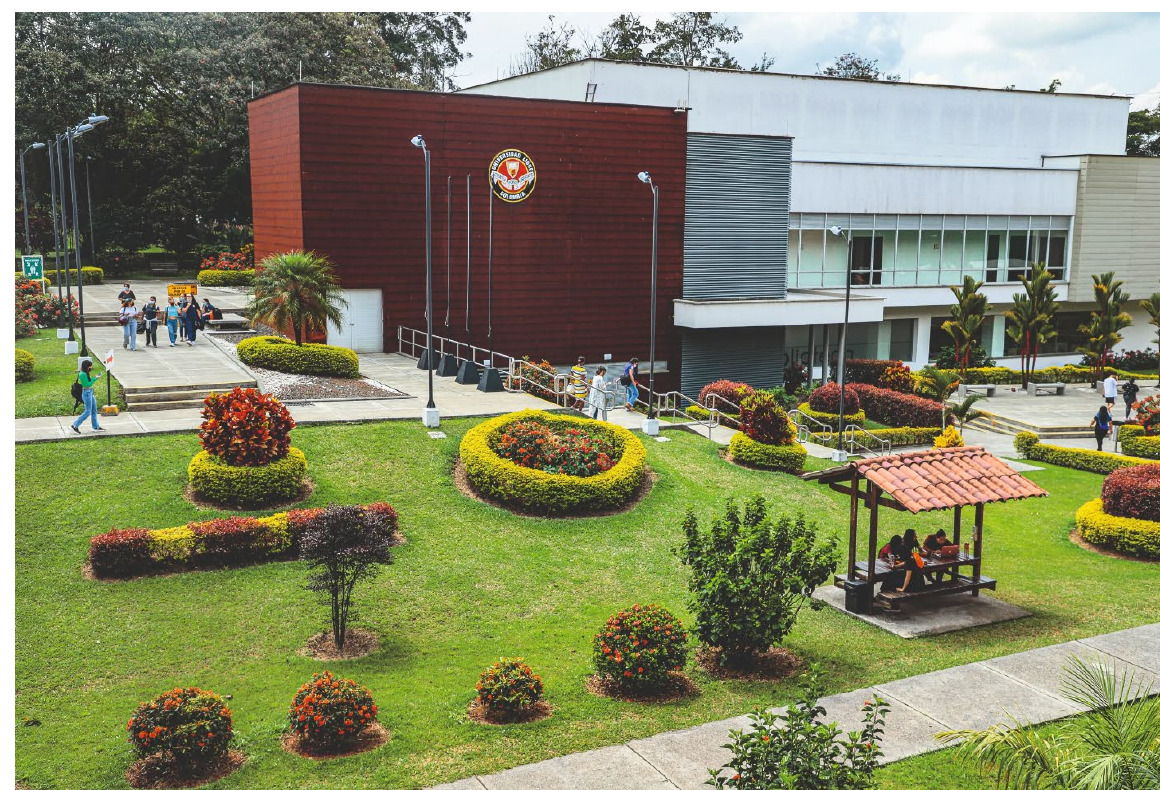
Universidad Libre Campus El Bosque Popular in Bogotá

Universidad Libre · Bogotá, Colombia
Campus El Bosque Popular
November 3–5, 2026

Universidad Libre in Bogotá is the official host institution for the ALBUS 2026 International Conference.

More than a conference venue, Universidad Libre provides an academic setting closely connected with the central ideas of ALBUS 2026: innovation, sustainability, identity, responsible artificial intelligence, critical inquiry, and the contribution of the Global South to international knowledge.

With a history extending for more than a century, a national presence across Colombia, and an institutional tradition grounded in freedom of thought, pluralism, research, social responsibility, and sustainable development, Universidad Libre offers an appropriate environment for scholars, professionals, policymakers, institutional leaders, and emerging researchers from Latin America and around the world to meet, exchange ideas, and develop new collaborations.

ALBUS 2026 will take place at the university's Campus El Bosque Popular, located at Carrera 70 No. 53-40, Bogotá, Colombia.

ALBUS 2026 campus orientation map; plenary venue updated to Block B Auditorium, while Block C remains the concurrent-session area
Tap a location on the map or use the buttons below.
Countries Represented at ALBUS 2026
21countries and territories represented at ALBUS 2026
ArgentinaBrazilChileChinaColombiaDominican RepublicEl SalvadorGermanyGuyanaLithuaniaMalaysiaMexicoNigeriaPeruPhilippinesPuerto RicoSouth AfricaSpainTrinidad and TobagoUnited StatesVenezuela
A University with More Than a Century of Academic History

Universidad Libre traces its institutional origins to the intellectual movement that produced the Universidad Republicana at the end of the nineteenth century. Universidad Libre was legally constituted in 1913 and formally opened its doors to students on February 13, 1923, under the leadership and educational vision of General Benjamín Herrera.

Its founding vision emphasized an education free from intellectual restrictions and committed to scientific thought, academic freedom, tolerance, and the formation of citizens capable of contributing to Colombian society.

That tradition continues to shape the university's institutional identity. Its current statutes identify freedom of teaching, research, academic inquiry, and learning; universality of knowledge; ideological pluralism; tolerance; ethics; social inclusion; and secularism among its fundamental principles. The university also identifies research, international interaction, critical thinking, environmental preservation, entrepreneurship, and innovation among its institutional objectives.

These principles give particular significance to Universidad Libre as the setting for an international conference devoted to transformation from a Global South perspective.

ALBUS 2026 is built around the idea that Latin America and other regions of the Global South should not be understood merely as places where knowledge developed elsewhere is applied. They are also environments in which new theories, practices, technologies, organizational models, and approaches to sustainable development can emerge.

Universidad Libre's intellectual tradition provides a strong context for that conversation.

Academic Excellence and National Presence

Universidad Libre is a Colombian higher-education institution with a multicampus presence that includes Bogotá, Cali, Barranquilla, Pereira, Cúcuta, Socorro, and Cartagena. Its Institutional High-Quality Multicampus Accreditation was renewed by Colombia's Ministry of National Education in 2021 for six years.

The Bogotá campus community brings together several major fields of knowledge. The university identifies faculties in:

  • Law, Political and Social Sciences
  • Engineering
  • Philosophy
  • Economic, Administrative and Accounting Sciences
  • Education

This multidisciplinary environment corresponds closely with the structure of ALBUS 2026, whose conference tracks extend across business, management, sustainability, digital transformation, artificial intelligence, engineering, economics, finance, information systems, health and well-being, education, governance, and related areas.

Universidad Libre therefore provides an environment in which the interdisciplinary character of ALBUS can be experienced within the host institution itself.

Universidad Libre and the ALBUS 2026 Theme

Innovation, Sustainability, Identity, and Artificial Intelligence

The relationship between the host institution and the ALBUS 2026 theme extends beyond the physical location of the conference.

Several principles embedded within Universidad Libre's institutional mission directly intersect with the four pillars of the conference.

Innovation

The university formally identifies the development of scientific, technical, and technological research, as well as the promotion of entrepreneurship and innovation, among its institutional objectives.

Its academic offerings in Bogotá also include disciplines directly connected with contemporary technological transformation, including engineering, information systems, environmental engineering, and data science.

For ALBUS 2026, innovation is approached not only as the adoption of technology but as the capacity of organizations, universities, entrepreneurs, governments, and communities to create solutions appropriate to their institutional and societal environments.

That perspective is particularly relevant within a university whose educational philosophy combines scientific inquiry with social purpose.

Sustainability

Sustainability has a longstanding place within Universidad Libre's institutional framework.

The university's educational principles and planning documents have repeatedly connected academic development with sustainable development, environmental preservation, social progress, and institutional responsibility. Its statutes explicitly include the promotion of a healthy environment among the university's objectives.

This creates a direct connection with the sustainability dimension of ALBUS 2026, which examines environmental issues alongside their economic, social, organizational, institutional, ethical, and governance implications.

The conference consequently provides an opportunity to connect sustainability research with the broader question of how universities, companies, governments, and communities can contribute to long-term development across Latin America and the Global South.

Identity, Pluralism, and Critical Thought

Identity occupies a distinctive place in the intellectual architecture of ALBUS 2026.

Universidad Libre's institutional philosophy is similarly grounded in respect for diversity, ideological pluralism, tolerance, academic freedom, critical thought, and social inclusion.

These principles create an appropriate environment for conference discussions examining how consumer, cultural, organizational, institutional, and societal identities influence business and social transformation.

They also reinforce one of the broader propositions underlying ALBUS 2026: meaningful international scholarship should permit different regions and societies to interpret transformation through their own histories, institutions, cultures, and experiences rather than assuming that one model is universally applicable.

⌖ Conference Venue

Campus El Bosque Popular

Universidad Libre
Campus El Bosque Popular
Carrera 70 No. 53-40
Bogotá, Colombia

All participants should note that the ALBUS 2026 conference venue is Campus El Bosque Popular.

Universidad Libre maintains more than one campus location in Bogotá, including the historic La Candelaria campus. Participants traveling to ALBUS 2026 should therefore specify Campus El Bosque Popular, Carrera 70 No. 53-40 when using taxis, private transportation, transportation applications, or navigation services.

The Campus El Bosque Popular is an active academic environment containing classrooms, computer facilities, library resources, faculty and administrative areas, and auditorium spaces.

Conference activities will be distributed among designated spaces on the campus according to the final ALBUS 2026 program.

▤ Campus Map

Navigating ALBUS 2026

The interactive ALBUS 2026 Campus Map above identifies the principal conference locations and can also be opened directly from individual sessions in the Program.

Use the map to locate the Block C concurrent-session area (C120–C122), the Block D Lobby for lunches and the closing dinner, Library, Alumni Club, Sports Complex, and other campus reference points. The plenary venue has been updated to the Auditorio del Bloque B.

Room names and codes match the interactive conference program. From a session card, select View on Campus Map to highlight the corresponding location and then use Back to Session to return to the program.

Before arriving on campus

Campus El Bosque Popular · Carrera 70 No. 53-40 · Bogotá

Use the campus map above to identify the conference area before arrival. ALBUS and Universidad Libre staff will also assist participants with on-site orientation.

Conference Experience on Campus

Designed for Academic Interaction

The physical conference experience is intended to support more than formal presentations.

ALBUS 2026 brings together scholars at different career stages, doctoral students, journal editors, institutional leaders, policymakers, professionals, and international collaborators. The campus environment will therefore serve as a space for both scheduled academic activity and informal intellectual exchange.

Plenary sessions and panels will bring the broader conference community together, while concurrent sessions will provide more focused environments for disciplinary and interdisciplinary discussion.

Coffee breaks, meals, transitions between sessions, and common areas will provide additional opportunities for participants to meet researchers from other countries, develop collaborations, discuss publications and research projects, and strengthen the international network surrounding ALBUS.

The objective is to create a conference in which interaction continues beyond the presentation room.

Local Host Information

Support During ALBUS 2026

Universidad Libre and the ALBUS organizing team will provide local information to help participants navigate the campus and conference activities.

This conference hub provides information concerning campus access, registration, conference rooms, transportation to and from the venue, technical assistance, accessibility, and other on-campus logistics.

An ALBUS registration and information point will serve as the principal reference for participants during the conference.

For ALBUS conference questions or accommodation requests, contact registration@albus.lat. ALBUS and Universidad Libre staff will also provide on-site assistance during the conference.

Accessibility and accommodation requests

Participants who require an accommodation are encouraged to contact ALBUS in advance at registration@albus.lat so arrangements can be coordinated with the host institution.

For university-related orientation, Universidad Libre lists its Bogotá main telephone number as +57 (601) 382 1000 and officially identifies Campus El Bosque Popular at Carrera 70 No. 53-40.

International Academic Exchange

Universidad Libre also maintains an institutional commitment to international engagement. Its Bogotá Office of Interinstitutional Relations describes its purpose as connecting the university with a global environment and facilitating interaction with organizations nationally and internationally.

That international orientation is central to ALBUS.

Although ALBUS places particular emphasis on Latin America and the Global South, the conference is intentionally international. Scholars and professionals from different regions are invited not merely to observe Latin American experiences but to participate in a multidirectional exchange of knowledge.

Holding ALBUS 2026 at Universidad Libre provides an opportunity to bring those international conversations directly into a Colombian university environment.

A Shared Academic Purpose

The relationship between ALBUS and Universidad Libre is ultimately based on more than hosting arrangements.

Both the conference and its host environment emphasize the importance of knowledge that is intellectually rigorous, socially relevant, internationally connected, and responsive to the challenges confronting contemporary organizations and societies.

Countries Represented at ALBUS 2026

21countries and territories represented at ALBUS 2026
ArgentinaBrazilChileChinaColombiaDominican RepublicEl SalvadorGermanyGuyanaLithuaniaMalaysiaMexicoNigeriaPeruPhilippinesPuerto RicoSouth AfricaSpainTrinidad and TobagoUnited StatesVenezuela

Sponsors

Sponsors and organizations associated with ALBUS 2026.

Publish with LABSREVIEW

The Latin American Business and Sustainability Review is highlighted as a visible ALBUS publication opportunity.

Publish with LABSREVIEW promotional information and QR code

ALBUS 2027 · Puebla, Mexico

Save the date for the next ALBUS International Conference, hosted by UPAEP, November 2–4, 2027.

Save the Date!

ALBUS 2027 International Conference

November 2–4, 2027

UPAEP · Puebla, Mexico

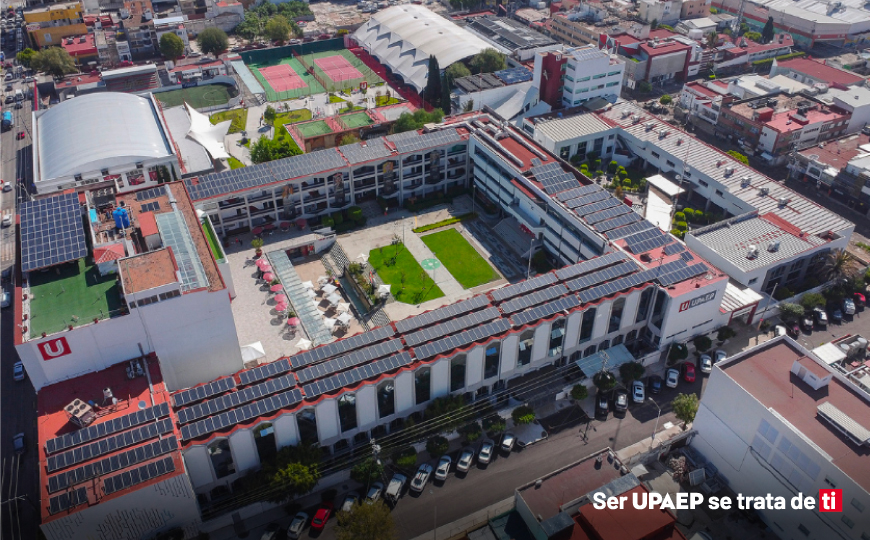
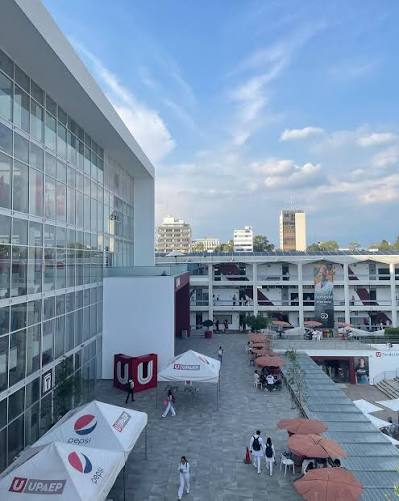
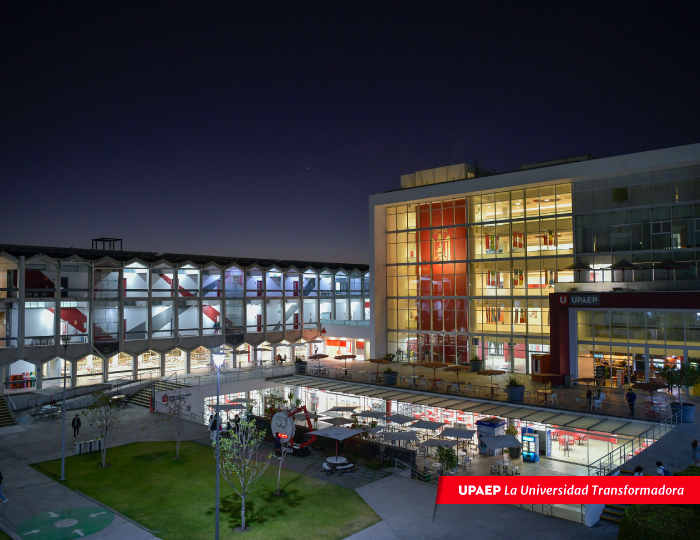
UPAEP – Universidad Popular Autónoma del Estado de Puebla

Following ALBUS 2026 in Bogotá, the ALBUS international community will gather again in Puebla, Mexico, November 2–4, 2027, for the ALBUS 2027 International Conference, hosted by UPAEP.

The selection of UPAEP represents more than a new conference destination. It reflects the continued development of ALBUS as an international academic network connecting scholars, universities, professionals, and institutions committed to advancing research with relevance for Latin America and the broader Global South.

Why UPAEP Is an Ideal Home for ALBUS 2027

UPAEP offers an academic environment closely aligned with the evolving mission of ALBUS. Its emphasis on academic quality, research, innovation, international collaboration, and social impact creates a strong setting for a conference designed to connect scholarship with the challenges facing organizations and societies.

The university's international orientation supports mobility, collaborative teaching, visiting scholars, research networks, and institutional partnerships. In 2026, UPAEP also received a six-year initial accreditation from the WASC Senior College and University Commission (WSCUC), the maximum period granted for an initial accreditation, reinforcing its commitment to institutional quality and continuous improvement.

This combination of academic excellence, international engagement, institutional collaboration, and a transformative educational mission makes UPAEP a particularly appropriate host for ALBUS 2027. It offers an environment in which researchers from Latin America, North America, the Caribbean, Europe, Africa, and Asia can present research while developing the interdisciplinary and international relationships that are central to the ALBUS community.

A University with a History of Transformation

UPAEP was formally inaugurated in Puebla on May 7, 1973. Its founding emerged from the efforts of students, professors, and members of the local community who sought to create a university committed to academic freedom, the enduring mission of the university, social responsibility, and the development of the common good.

Over more than five decades, UPAEP has developed from that regional academic initiative into a university with an increasingly international outlook. Its history of institutional development, educational innovation, and engagement with society resonates with ALBUS's own commitment to strengthening scholarship that is both internationally connected and grounded in the realities of Latin America.

Puebla: History, Identity, and International Exchange

Puebla provides a distinctive setting for the next ALBUS conference. Founded in 1531, the city developed along an important commercial and cultural route between Mexico City and Veracruz. Its historic center, recognized by UNESCO as a World Heritage Site in 1987, reflects the interaction of European and American architectural and artistic traditions.

For ALBUS, Puebla offers a setting in which history, identity, education, enterprise, and international exchange intersect. That context is especially appropriate for an academic community interested in understanding transformation from perspectives rooted in Latin America and the Global South.

Continuing the ALBUS Journey

ALBUS conferences are designed to build continuity rather than function as isolated annual events. Each host institution contributes its own academic identity, institutional strengths, and national context to a growing international network.

From Bogotá in 2026 to Puebla in 2027, the next stage of the ALBUS journey will continue strengthening connections among researchers, universities, doctoral students, professionals, and institutional leaders while creating new opportunities for collaborative research, publication, academic exchange, and international partnership.

Save the date: ALBUS 2027 · UPAEP · Puebla, Mexico · November 2–4, 2027.